
Checking today -
protecting tomorrow.
Every inspection backed by real building experience.
Buying, building or maintaining a home is one of the biggest financial decisions you’ll ever make. At BuildIQ we provide independent detailed inspections to ensure your property meets Australian Building Standards and contractual obligations.



With over a decade of experience inside one of Australia’s largest residential builders and more than 250 homes built across Victoria, you can trust that your inspection is backed by real construction expertise - not just a checklist.
As a multi trade qualified professional with experience across all stages of residential construction, understanding of the building process from both a builder’s and a homeowner’s perspective.
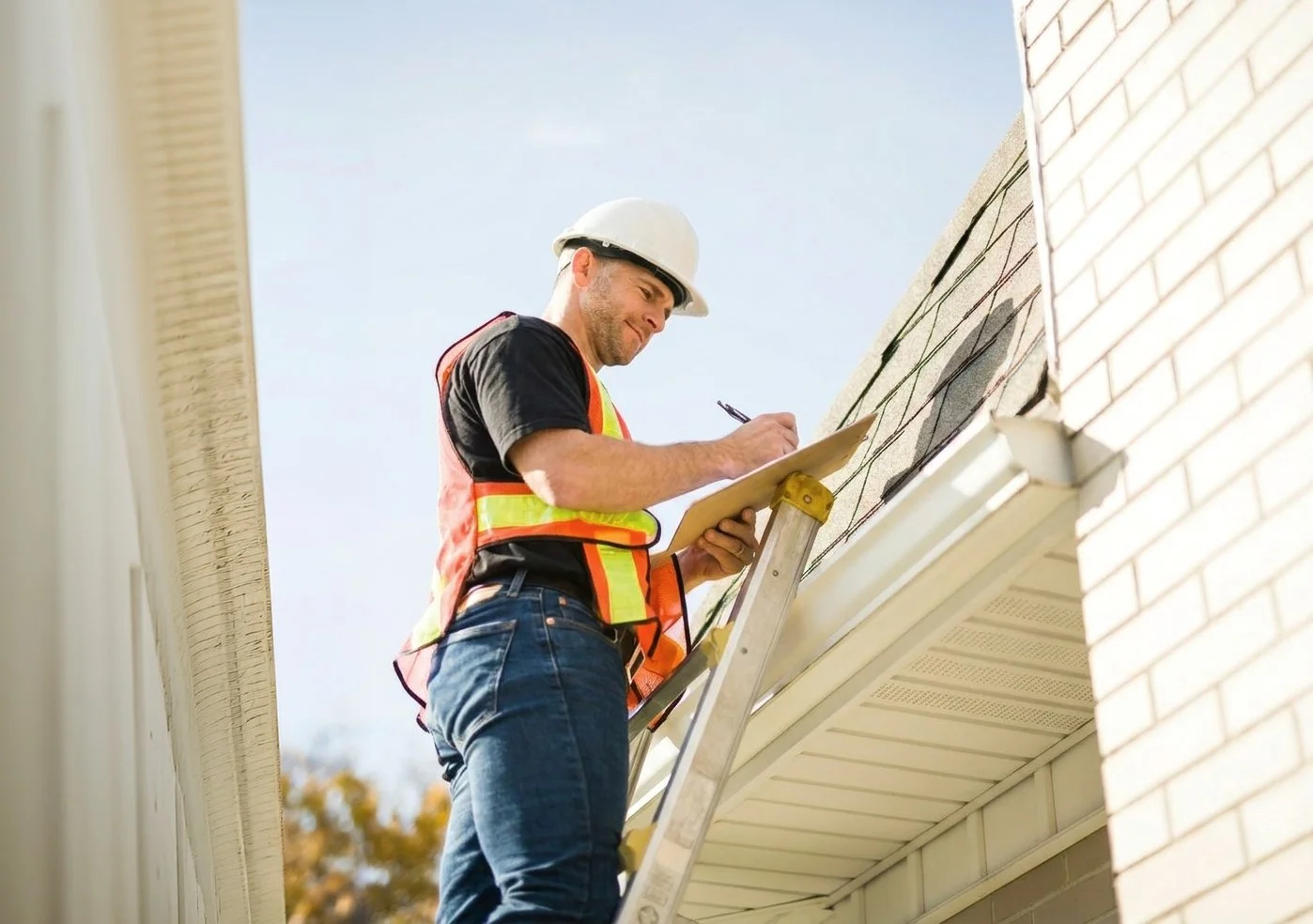
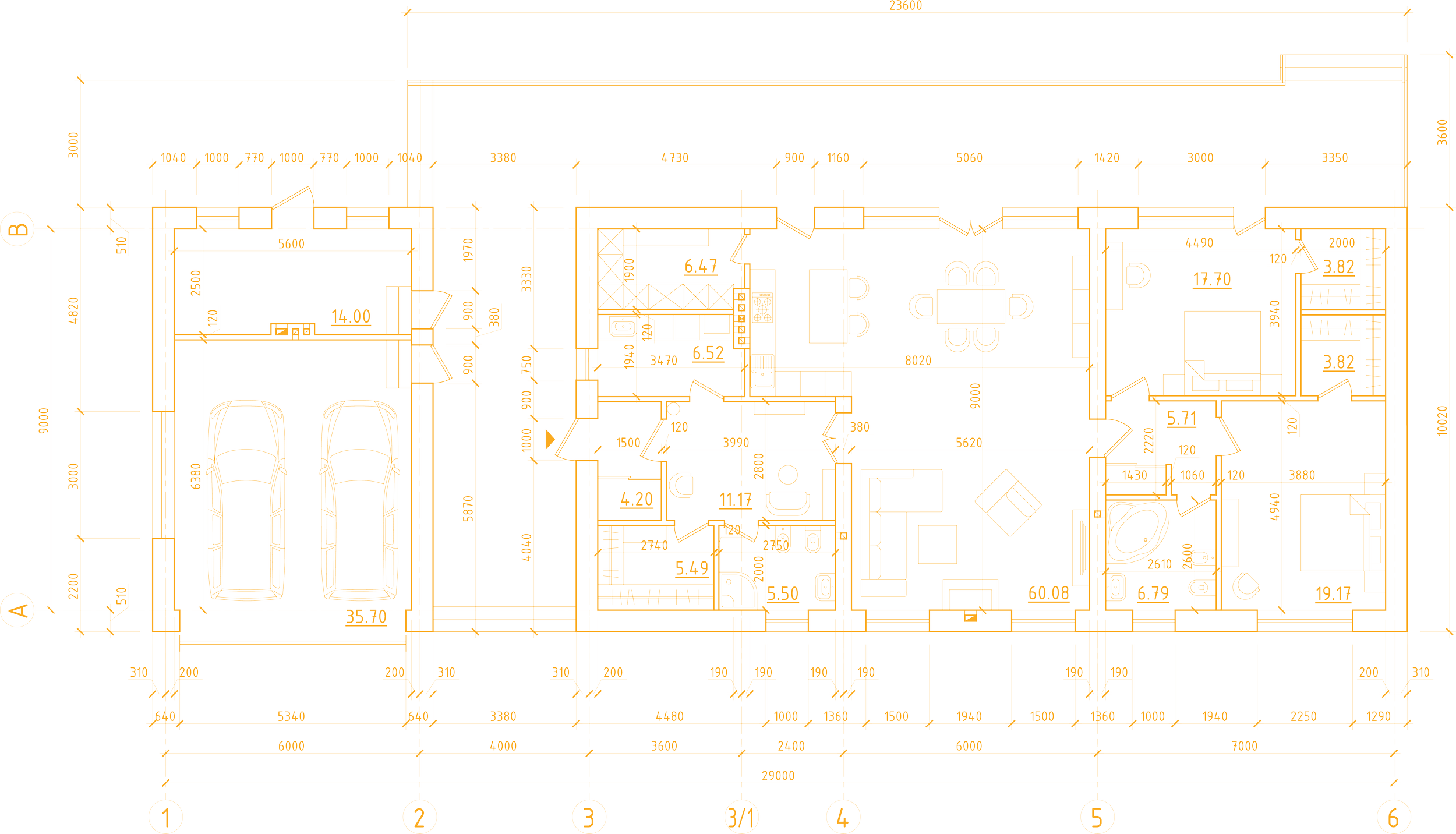
Services
Pre-Purchase & Pre-Sale Inspections

New Construction Stage Reports
Defect & Maintenance Assessments
Pest & Structural Reports
Insurance & Condition Reports
Meet Luke.
Founder & Licensed
Building Practitioner
Luke is a Licensed Building Practitioner and Registered Plumber with the Victorian Building Authority (BPC).

Qualifications:
Licensed Building Practitioner – BPC
Registered Plumber – BPC
Certificate III in Plumbing, Roofing & Air Conditioning
Certificate III in
Brick & Blocklaying
Certificate III
in Building & Construction
Certificate IV in
Work Health & Safety
Commitment.
Luke has worked across all stages of residential construction and understands the building process from both sides - as a builder and as a client.
After personally experiencing serious building defects in his own home - resulting in legal action to have works brought up to Australian Standards - Luke made a commitment:
“No homeowner should have to fight to receive the quality they were promised”.

Why choose BuildIQ?
250+ Homes built in Victoria
Independent & unbiased reporting
10 Years with a major Australian residential builder
Melbourne-based & locally experienced
Dual trade qualifications
Servicing Melbourne & surrounding areas
Built on Trust.
Backed by Results.
See why clients choose BuildIQ for independent inspections, honest advice and the confidence to make informed property decisions.
Build with confidence. Buy with confidence.
Whether you're purchasing, building or protecting your investment, BuildIQ delivers honest advice, detailed reporting and independent inspections backed by real industry experience. Book your inspection today.
Recent Projects.
Major Defects Uncovered in Comprehensive Building Inspection
A recent independent inspection of a residential dwelling uncovered a wide range of serious defects — spanning fire safety, structural integrity, waterproofing, drainage, masonry, plumbing, and general workmanship.
Fire Safety: The Most Serious Finding
The party wall between adjoining dwellings was incomplete and didn’t match its approved fire-rated system. Missing fire-resistant liners, insulation, and fire stopping meant the wall’s required 60/60/60 Fire Resistance Level couldn’t be confirmed — a defect with real implications for occupant safety.
Construction Didn’t Match Approved Plans
Multiple elements — roofing, gutters, balcony drainage, internal layouts, and structural placements — deviated from approved plans and engineering documents, making compliance impossible to verify.
Roofing, Drainage & Weatherproofing
Undersized gutters and sumps, poor flashing, damaged tiles and sarking, and inadequate site drainage all raise the risk of water ingress, mould, and premature deterioration.
Wet Areas & Waterproofing
Bathrooms showed missing waterstops, non-compliant shower detailing, and membrane concerns that couldn’t be verified against Australian Standard AS 3740 — increasing the risk of hidden water damage.
Masonry & Structural Issues
Missing weepholes and articulation joints, incorrect damp-proof course heights, altered truss supports, and misplaced columns left several structural elements unverified against the engineer’s design.
Workmanship Fell Short
Poor plastering, incomplete tiling, unfinished joinery, and inadequate pre-handover cleaning were found throughout — well below the standard expected in a new home.
Plumbing Defects
Leaking fixtures, non-compliant venting, and fire-rated service penetrations added further compliance concerns.
The Takeaway
The scale and severity of these defects show the home wasn’t completed to an acceptable standard — especially around fire safety, structure, and waterproofing. Rectification work and further specialist certification are strongly recommended.
This is exactly why an independent building inspection before handover matters. Catching these issues early can save homeowners from costly repairs, safety risks, and disputes down the track.
Pre-Purchase Building Inspection in Greenvale Reveals 30 Defects
Recently, I conducted a pre-purchase building inspection in Greenvale, where a total of 30 defects were identified throughout the property. While some of the issues were minor maintenance items, several defects related to compliance, workmanship, and long-term durability concerns that prospective buyers should be aware of before committing to a purchase.
Roof Drainage Defects
During the inspection, it was identified that the property's gutters had been installed with inadequate fall, preventing water from draining effectively. In addition, the spacing between downpipes exceeded the maximum 12-metre distance permitted under the relevant building standards.
The installation does not comply with NCC 2019 Volume Two, Section 3.5.3.4, which requires gutters to be installed with sufficient fall to ensure effective stormwater drainage. Poor drainage can result in water ponding, premature deterioration of the gutter system, and increased risk of water ingress to the building.
Weep Hole Clearance Issues
The inspection also identified that the brick veneer weep holes were positioned too close to the finished ground level. Weep holes are critical for allowing moisture to escape from the wall cavity and preventing dampness within the building structure.
Under NCC 2019 Volume Two, Clause 3.3.5.8(iii), damp-proof courses and flashings must be installed a minimum of 50mm above finished paved, concreted, or landscaped surfaces where protected by a verandah, carport, or similar structure. Insufficient clearance can increase the risk of moisture penetration and long-term damage to the building fabric.
Non-Compliant Tile Installation
Inspection of the wall tiling identified several areas where the tiles had been spot-fixed to the substrate. This installation method is considered non-compliant under AS 3958.1 Clause 5.6.2(c), which states that spot-fixing using four or five adhesive dabs is not recommended and should be avoided.
A thermal imaging camera was utilised during the inspection, allowing the temperature variation between the wall substrate, tile surface, and adhesive to be examined. This technology assisted in identifying areas where spot-fixing had occurred behind the tiles.
Spot-fixed tiles can result in reduced adhesion, increased risk of tile failure, and may create voids that allow moisture to accumulate behind the tiled surface.
Missing Roof Space Insulation
The roof space was found to have missing insulation in several areas, which negatively affects the thermal performance and energy efficiency of the home.
This is a non-compliance with NCC Clause 3.12.1.1, relating to building fabric thermal insulation requirements. Inadequate insulation can lead to increased heating and cooling costs, reduced occupant comfort, and a lower overall energy rating for the dwelling.
Missing Termite Management Notice
No evidence was found of the required durable termite management notice being permanently fixed to the building.
Under NCC 2019 Volume Two, Clause 3.1.4.4, a durable notice must be installed in a prominent location, such as the meter box. The notice is required to detail:
The type of termite management system used.
The date of installation.
Details of any chemical treatment applied.
The expected service life of the termite management system.
Without this notice, property owners may have difficulty identifying the termite protection measures currently in place and understanding ongoing maintenance requirements.
Why a Pre-Purchase Inspection Matters
This Greenvale inspection highlights the importance of obtaining a comprehensive pre-purchase building inspection before purchasing a property. Defects relating to drainage, moisture management, insulation, termite protection, and workmanship can result in significant repair costs if not identified early.
A professional building inspection provides buyers with the information needed to make informed decisions, negotiate repairs, or budget for future maintenance before finalising their purchase.
Thinking of buying a property in Greenvale or surrounding suburbs? Contact us today to arrange a comprehensive pre-purchase building inspection and gain peace of mind before you buy.
Post-Handover Building Inspection in Essendon: Over 50 Defects Identified